Visual Arts
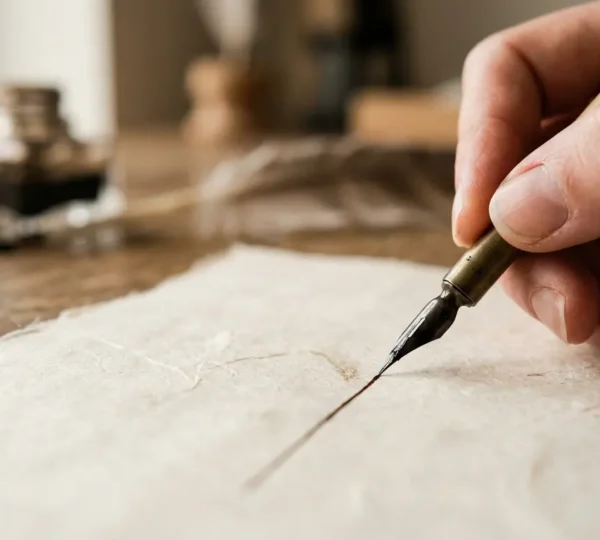
Why Do Your Fine Lines Wobble When Renaissance Masters Achieved Hairline Precision?
Contrary to common belief, a steady hand is not an innate gift but a trainable mechanical skill; wobbling lines are a diagnostic symptom of a specific failure in motor control, not a lack of talent. The arm’s complexity means that…
Lire la suite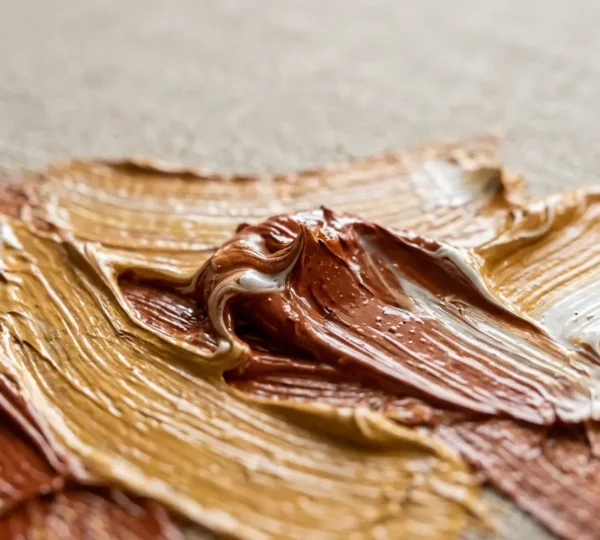
Why Does Your Impasto Look Muddy When Old Masters Achieved Luminous Texture?
The vibrant texture of a master’s impasto is not a result of simply applying thick paint, but a deliberate act of material engineering. Muddiness is an optical problem: uncontrolled, diffuse light reflection from a poorly structured paint film makes it…
Lire la suite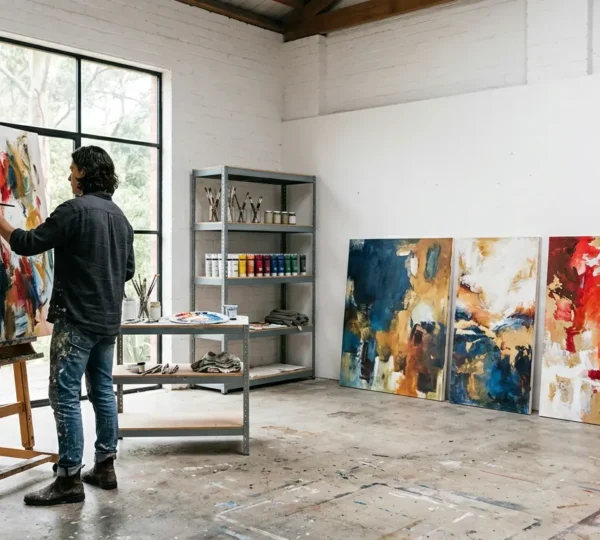
How Can a UK Painter Earn £40,000 Annually Without Gallery Representation?
Earning a stable £40,000 income as a painter in the UK isn’t about finding the ‘right’ gallery; it’s about building your own direct-to-collector business engine. The traditional 50% gallery commission often supports an unsustainable business model, not just your marketing….
Lire la suite
Why Do Self-Taught Artists Plateau After 5 Years Without Formal Technique Training?
Many dedicated artists believe hitting a skill ceiling is a creative failure. The truth is often more physical. This plateau stems not from a lack of ideas, but from untrained neuro-muscular habits and a misunderstanding of how to practise. The…
Lire la suite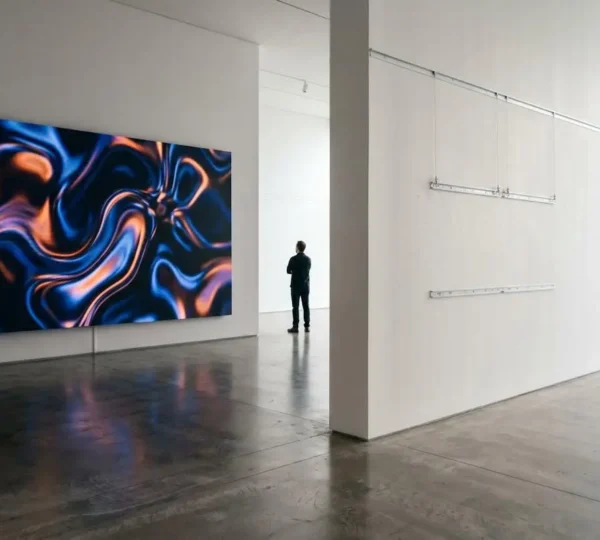
Why Are Galleries Now Rejecting Canvas Work in Favour of Screen-Based Pieces?
The art world’s pivot to screen-based work is not a personal rejection of painterly skill, but a systemic shift in how value, provenance, and collector engagement are defined. For the traditional British artist, the path forward isn’t to abandon their…
Lire la suite