Theater & Performance
Theatre remains one of the most demanding collaborative art forms, requiring the seamless integration of dozens of distinct disciplines. Whether you’re an actor struggling to maintain freshness through a long run, a playwright whose work reads beautifully but falls flat in performance, or a dancer searching for your unique movement vocabulary, the challenges are remarkably similar: bridging the gap between craft and authentic human connection.
This resource explores the essential pillars of contemporary theatre and performance practice. From the increasingly technical demands of modern West End productions to the deeply personal work of developing stage presence, each element contributes to what audiences experience as a unified whole. Understanding how these pieces fit together transforms good practitioners into exceptional ones—and helps emerging artists navigate an industry where technical perfection alone rarely guarantees success.
The insights gathered here address real problems faced by working professionals: why technically flawless performances leave audiences cold, how rotating stages can increase engagement by over a third according to recent studies, and why some graduates from prestigious training programmes struggle to secure contracts whilst less technically accomplished peers succeed. These aren’t abstract theories but practical knowledge drawn from rehearsal rooms, technical rehearsals and opening nights.
Stage Technology and Engineering in Modern Theatre
Contemporary theatre has evolved far beyond painted flats and manual scene changes. West End and regional productions now regularly employ robotics engineers alongside traditional creative teams, reflecting a fundamental shift in what audiences expect from live performance. Understanding this technological landscape has become essential for anyone working in professional theatre.
Kinetic Elements and Stage Machinery
Rotating stages, automated flying systems and kinetic props have moved from spectacular novelty to standard production tools. Research indicates that rotating stages can increase measured audience engagement by approximately 35%, likely because constant visual transformation maintains attention in ways static staging cannot match. However, these benefits come with significant planning requirements.
The choice between pneumatic and servo-driven systems affects everything from movement smoothness to maintenance costs. Pneumatics typically offer more organic, fluid motion suited to dance pieces, whilst servos provide the precision repeatability required for complex scene changes. Production teams must weigh these factors against budget constraints and venue capabilities.
Safety and Rehearsal Planning
Kinetic productions demand extended technical rehearsal periods—typically eight weeks rather than four for shows with significant automation. This extended timeline isn’t luxury but necessity, as several near-miss incidents in recent West End seasons traced directly to compressed tech schedules. Safety protocols require particular attention when performers work alongside moving elements, and effective communication between choreographers and engineers often requires developing shared vocabulary that bridges movement and mechanical languages.
Crafting Authentic Character Voices for the Stage
One of the most common critiques emerging playwrights receive is that all their characters sound identical—different names attached to the same voice. This typically stems from writers unconsciously defaulting to their own speech patterns, creating what feels like a conversation with oneself rather than distinct individuals.
Vocabulary and Class Distinctions
Authentic voice differentiation goes beyond accent. Research into effective dialogue suggests that limiting each character to approximately 500 words from distinct vocabulary pools forces genuine differentiation. A working-class character shouldn’t merely adopt dropped consonants; their word choices, sentence structures and reference points must reflect their lived experience authentically.
The challenge intensifies when writing across class boundaries. Middle-class writers frequently struggle with working-class characters who inadvertently reveal their creator’s assumptions. Similarly, phonetic spelling choices that work regionally may render dialogue incomprehensible to audiences elsewhere—a lesson several productions have learned when transferring from regional theatres to London.
Monologue Versus Action-Based Development
Writers divide between those who develop character through isolated monologue work before plotting and those who discover voice through action and interaction. Both approaches have merit:
- Monologue-first development often produces more poetic, distinctive voices but risks characters who sound profound in isolation yet flat in dialogue
- Action-based discovery typically creates more playable characters but may sacrifice linguistic distinctiveness
- Hybrid approaches—brief character sketches followed by improvisational scene work—often balance both concerns effectively
Acting Technique: Connecting with Your Audience
Technical excellence in acting—precise diction, controlled physicality, thorough text analysis—represents necessary foundation rather than sufficient achievement. Audiences consistently respond more strongly to performances that reveal genuine emotional vulnerability than to technically flawless but emotionally guarded work.
The Paradox of Uncertainty
Counter-intuitively, performers who allow genuine uncertainty to appear onstage often create stronger audience engagement than those projecting constant confidence. This doesn’t mean unprepared performance but rather the willingness to remain present and responsive rather than merely executing pre-planned choices. The audience senses the difference between lived experience and remembered execution.
Sustaining Performance Quality
Maintaining freshness across extended runs presents particular challenges. By the fiftieth performance, muscle memory can override active engagement, producing technically accurate but emotionally hollow work. Experienced performers develop strategies for renewal:
- Actively listening to scene partners as if hearing their lines for the first time
- Finding one new detail in the text or environment each performance
- Varying preparation rituals to avoid mechanical pre-show patterns
- Using physical and vocal warm-ups strategically—physical preparation often serves comedy better, whilst vocal work may better prepare tragic material
Tech week exhaustion flattens an estimated 30% of opening night performances. Managing energy across this demanding period requires deliberate pacing rather than pushing through on adrenaline alone.
Playwriting That Works in Performance
The gap between page and stage claims countless promising scripts. Plays that generate enthusiasm in reading frequently die during table reads, revealing fundamental problems invisible on paper. Understanding why helps writers anticipate and address these issues before entering the rehearsal room.
Action and Theatrical Event
Theatre requires constant event—something must change, shift or develop approximately every three minutes to maintain dramatic momentum. Scripts built primarily on beautiful language or complex ideas without sufficient theatrical action leave performers with nothing to play. Directors can spot this problem quickly, which partly explains why excessive parenthetical acting notes often prompt immediate dismissal: they suggest the writer doesn’t trust the dialogue itself to convey meaning.
Poetic Language and Pretension
Poetic monologues that feel profound on paper frequently sound pretentious when spoken aloud. The shift from private reading to public speech changes how language lands. Writers benefit from hearing their work performed early—though timing matters. Seeking public readings before scripts reach sufficient development wastes everyone’s time, but waiting for professional interest before any staged exploration often means problems remain hidden until stakes are highest.
Solo Writing Versus Devised Development
First-time playwrights face a fundamental choice between solitary writing and collaborative devising with a company. Each approach shapes the resulting work differently:
- Solo writing typically produces more unified vision but may lack theatrical instinct
- Devised work often generates stronger performance moments but can lack structural coherence
- Many successful writers begin through devising before developing solo practice, carrying embodied theatrical knowledge into their independent work
Developing Your Unique Movement and Choreographic Voice
Contemporary dance training, paradoxically, can homogenise movement rather than develop individual artistry. Graduates from the same programmes often produce work that moves identically—technically accomplished but indistinguishable. Breaking from institutional movement patterns requires deliberate effort.
Finding Your Movement Signature
Body limitation explorations—working deliberately with physical constraints, injuries or unconventional mechanics—often reveal more distinctive movement vocabulary than pursuing technical ideals. Your specific body, with its particular histories and tendencies, offers choreographic possibilities unavailable to anyone else. Exploiting rather than correcting these peculiarities creates genuine signature.
Improvisation Versus Set Choreography
Task-based improvisation frequently produces more authentic-seeming movement than pre-set choreography, particularly for work emphasising emotional truth over formal composition. However, collaborative devising processes require careful management. Without clear ownership and decision-making structures, group creation can produce movement that belongs to no one—technically competent but believed by nobody.
The timing of experimentation matters significantly. Exploring new movement vocabulary between projects allows risk-taking without production pressure, whilst attempting major departures during commissioned work often satisfies neither innovation nor delivery requirements.
Building a Sustainable Performance Career
Talented graduates from prestigious UK training institutions regularly fail to secure company contracts whilst apparently less accomplished peers succeed. Understanding what companies actually seek—beyond technical facility—proves crucial for emerging performers.
Stage Presence and the X-Factor
Directors making casting decisions watch for stage presence—the ineffable quality that draws attention even in corps roles. A dancer with perfect arabesque may be passed over for someone whose technique has limitations but whose performance quality commands the eye. This presence can be developed: it stems partly from internal conviction, partly from spatial awareness, and partly from the willingness to commit fully rather than marking safely.
Career Pathways and Physical Sustainability
Career structures vary significantly across contexts. British company apprenticeships typically offer slower development with greater support, whilst contracts with continental institutions like German Staatsballett may accelerate exposure but demand immediate professional delivery. Neither pathway guarantees success; both require strategic thinking about long-term development.
Physical sustainability deserves particular attention. Pain ignored for months regularly results in injuries requiring career-ending surgery. The culture of pushing through—particularly during intensive performance runs—claims too many promising careers. Learning when rest serves performance better than additional class represents professional maturity rather than weakness.
Set Design: Creating Believable Stage Worlds
Naturalistic sets that resemble furniture showrooms rather than lived-in spaces represent one of design’s most common failures. Paradoxically, reducing props by 70% often makes spaces feel more real—empty space implies history and use whilst clutter merely decorates.
From Brief to Build
Translating directors’ frequently vague emotional briefs into buildable design elements requires both interpretive skill and practical knowledge. Designers must ask precise questions about feeling whilst maintaining awareness of budget realities, technical capabilities and production timelines. The choice between traditional construction and projection technology, for instance, dramatically affects what £15,000 actually delivers.
Technical Considerations
Practical matters frequently overlooked until too late—sightlines from balcony seats, masking from extreme angles, scene change logistics—can undermine otherwise strong designs. Model box finalisation timing matters: designs locked before blocking rehearsals begin may prove impractical, whilst excessive flexibility can prevent necessary build schedules from proceeding.
Theatre and performance ultimately succeed through the integration of these diverse elements—technical, creative and practical—in service of live human connection. Each discipline contributes essential understanding, and the most effective practitioners maintain curiosity about areas beyond their primary expertise. The questions explored throughout this resource represent starting points for deeper investigation, each opening pathways toward more sophisticated practice.
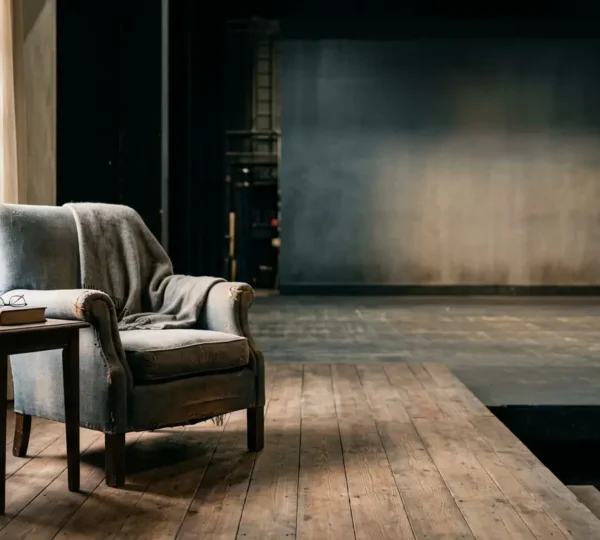
Why Does Your Naturalistic Set Look Like a Furniture Showroom Instead of a Lived-In Home?
The most authentic stage environments are achieved not by adding more detail, but by a ruthless process of narrative curation and subtraction. A cluttered set overloads an audience’s cognitive capacity, obscuring the story instead of supporting it. Every object, surface,…
Lire la suite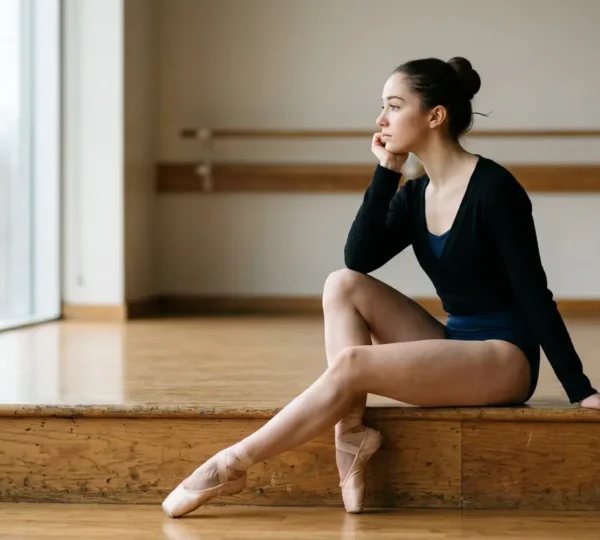
Why Do Top UK-Trained Dancers Fail to Get Hired?
The hard truth: Your elite technical training is no longer your primary asset, and it’s why you’re losing contracts to dancers who seem less perfect. Success in the professional world requires a pivot from being a technically flawless student to…
Lire la suite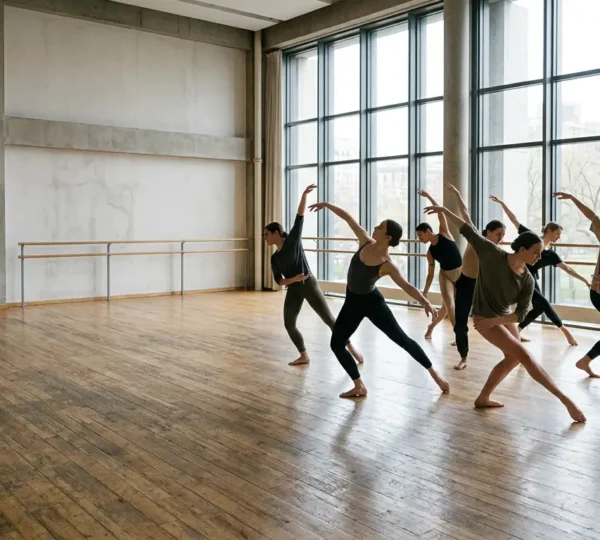
Why Does Your Contemporary Dance Piece Look Like Everyone Else’s From Your Training?
Your unique choreographic voice isn’t found by adding more influences, but by stripping away learned habits through a disciplined process of creative limitation. The aesthetic similarities in graduates’ work stem from ingrained « movement homogenisation » within elite training programmes. Authentic movement…
Lire la suite
Why Do Your Plays Read Well but Die Onstage During Table Reads?
The painful silence after a table read doesn’t mean you’re a bad writer; it means your script is a literary document, not an actionable blueprint for performance. Literary language often tells an audience how to feel, whereas performative language gives…
Lire la suite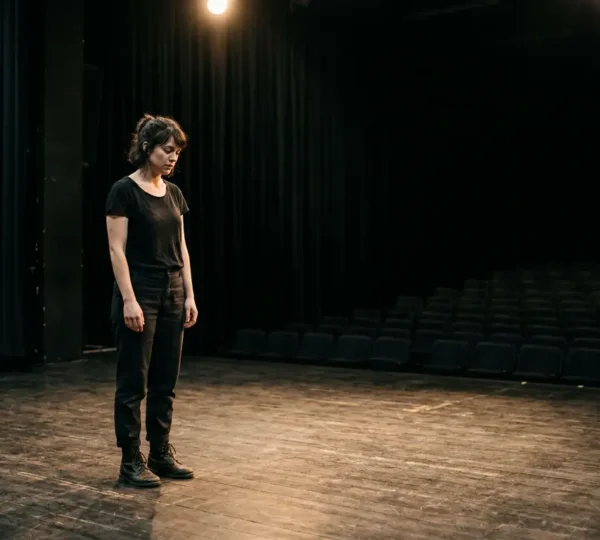
Why Does Your Technically Perfect Performance Leave Audiences Emotionally Cold?
The pervasive belief is that technical mastery leads to powerful performances. The truth is, it often builds a wall between you and the audience. True emotional connection is born from embracing live uncertainty, not from perfecting an emotional state. Focusing…
Lire la suite
Why Do All Your Characters Sound Like the Same Person With Different Names?
The solution to homogenous character voice isn’t adding clever words or quirky accents; it’s understanding that dialogue is a psychological tool, not just self-expression. A character’s voice is defined by how their internal worldview shapes the very structure and rhythm…
Lire la suite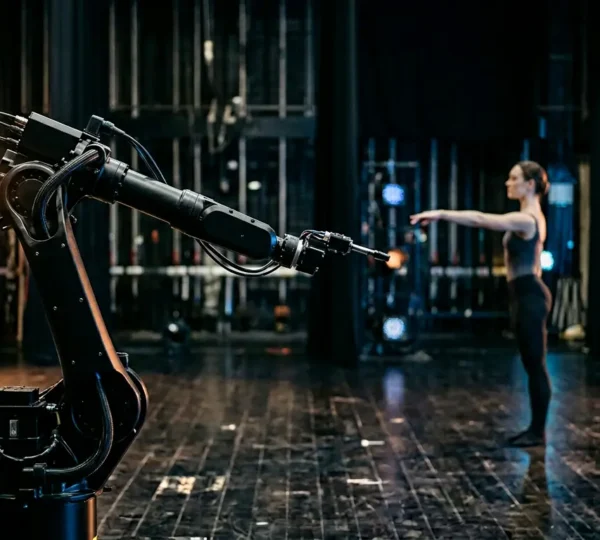
Why Are West End Producers Now Hiring Robotics Engineers Alongside Choreographers?
The rise of robotics in theatre isn’t about spectacle; it’s about creating a new choreographic partner to unlock deeper, more nuanced storytelling. This new collaboration demands a shared language, translating emotional briefs and movement into buildable, mechanical actions. Success hinges…
Lire la suite