Art and Society
Art has never existed in isolation. From cave paintings that bound prehistoric communities to NFTs that spark debates about ownership and value, creative expression has always been entangled with the societies that produce and consume it. Understanding this relationship matters whether you are an artist navigating career decisions, a collector building a meaningful collection, or simply someone who wants to engage more deeply with the cultural landscape around you.
The intersection of art and society encompasses far more than gallery openings and museum visits. It includes the market forces that determine which artists thrive and which struggle, the technology reshaping how we experience creative work, the complex dynamics of public commissions, and the thorny question of whether political art actually changes minds. This resource examines these connections, offering clarity on subjects that affect artists, institutions, collectors, and communities alike.
Throughout the following sections, you will find insights drawn from real-world patterns: why certain auction results defy expectations, how interactive installations outperform static works in visitor engagement, and what makes some public sculptures beloved landmarks while others become targets for vandalism within months.
How the Art Market Values and Validates New Movements
The contemporary art market operates according to rules that often bewilder newcomers. Understanding these mechanisms helps both artists and collectors make more informed decisions about where to invest time, energy, and resources.
The Institutional Validation Effect
A striking pattern emerges when tracking how new art movements gain acceptance: collectors frequently dismiss emerging approaches until major institutions—particularly venues like Tate—offer their stamp of approval. This credibility gap means that innovative work often remains undervalued until it receives institutional backing, creating both risks and opportunities for those who can identify quality before the establishment catches up.
Digital Art’s Rising Market Position
Recent auction results reveal a significant shift in how the market values different categories of work. Post-internet art now frequently commands higher prices than late modernist paintings, a reversal that would have seemed impossible just a decade ago. When a digital image file outsells a Francis Bacon sketch at a major auction house, it signals more than a passing trend—it reflects fundamental changes in how collectors understand artistic value and cultural relevance.
Career Trajectories and the Third-Show Stall
For traditional artists working in established mediums, research suggests that roughly 70% experience a career stall after their third solo exhibition. This pattern points to structural issues within how galleries and collectors engage with emerging talent, and understanding it helps artists plan more strategically for long-term sustainability rather than short-term visibility.
Technology’s Transformation of Art Experience
Digital technologies have fundamentally altered how audiences encounter and remember art. These changes present both opportunities and challenges for artists and institutions alike.
Why Immersive Works Create Lasting Memories
Studies indicate that visitors retain memories of VR artworks far longer than traditional wall-hung pieces—often recalling details six months later that they would have forgotten within weeks for conventional displays. This enhanced memory formation likely stems from the multi-sensory engagement that immersive experiences provide, suggesting that the future of impactful art may depend increasingly on activating more than just visual attention.
The Power of Touch and Interaction
Interactive artworks generate approximately five times more social media shares than static pieces, amplifying their reach far beyond physical gallery walls. Even more striking, allowing visitors to touch artwork increases donation likelihood by roughly 40%. These findings challenge traditional museum protocols that prioritise object preservation above all else, forcing institutions to weigh engagement against conservation in new ways.
Technical Challenges and Failures
Technology-dependent work carries significant risks. A single London gallery was forced to close its VR exhibition early due to visitor nausea complaints, while exposed cables have cost individual artists thousands of pounds in repairs after just days of exhibition. Artists working with technology must factor in:
- Hardware reliability and maintenance costs
- Visitor comfort and accessibility considerations
- Technical support requirements during exhibitions
- Obsolescence planning for long-term collection care
Building an Art Collection Without Regret
Collecting contemporary art combines aesthetic judgment with financial risk in ways that catch many buyers unprepared. Understanding common pitfalls helps new collectors develop more sustainable approaches.
The Regret Statistics
Research suggests that collectors regret approximately 60% of contemporary art purchases within five years. This sobering figure often stems from buying based on market hype rather than genuine personal connection to the work. The artist everyone collected last year may have no secondary market today, leaving owners with pieces they neither love nor can sell.
Strategic Approaches to Collecting
Before entering any gallery or auction, successful collectors typically define what they actually want to live with—not just what might appreciate in value. Key considerations include:
- Whether to buy from galleries or at auction, each offering different advantages for emerging artists
- When to focus a collection narrowly versus maintaining breadth while developing taste
- How to assess an artist’s long-term trajectory rather than current visibility
- Understanding the difference between decoration and meaningful collection building
Public Art and the Challenge of Community Engagement
Public art projects frequently generate controversy precisely when they attempt to unite communities. Understanding why helps commissioners, artists, and communities navigate these tensions more effectively.
Why Well-Intentioned Projects Fail
Sculptures designed to celebrate diversity sometimes anger the very communities they depict. Designs approved by everyone through consultation processes may move nobody when unveiled. These failures typically stem from consultation exercises that feel like box-ticking rather than genuine engagement, or from presenting finished proposals too late for meaningful community input to shape outcomes.
Local Ownership and Longevity
A revealing pattern: locally designed murals often survive for decades while expensive imported sculptures get tagged within months of unveiling. This disparity points to the importance of genuine community investment in public art. Projects that involve local schools in unveiling ceremonies and engage residents throughout the creative process tend to generate protective pride rather than hostility.
Timeframe Considerations
Commissioners must weigh whether long-term installations or shorter activations create more lasting community impact. A 10-year commission embeds art into daily life, but a six-month activation can create intense engagement without the risks of permanent placement. Neither approach is inherently superior; the choice depends on specific community context and goals.
Museums and the Heritage Interpretation Challenge
Visitors frequently leave museums without understanding the objects they saw. Addressing this interpretation gap requires rethinking long-established curatorial practices.
The Label Problem
Curators invest weeks perfecting 150-word labels that almost nobody reads. This disconnect between institutional effort and visitor behaviour points to fundamental misunderstandings about how people actually engage with museum displays. Making visitors care about a 500-year-old pot requires approaches that go beyond textual explanation.
Balancing Conservation and Visibility
Display lighting that protects objects often makes them impossible to see properly, while popular displays may need retirement before attendance drops—either when light exposure reaches damaging thresholds or when interpretive approaches become outdated. These tensions require ongoing negotiation between preservation specialists, curators, and visitor experience professionals.
Technology in Heritage Settings
Augmented reality applications promise enhanced understanding but may also distance visitors from unmediated object encounters. The most effective heritage interpretation typically combines technological enhancement with direct material engagement rather than replacing one with the other.
Political Art: Impact, Backlash, and Effectiveness
Art intended to change minds often preaches to the converted instead, or worse, generates resistance among the audiences it hopes to reach. Understanding these dynamics helps artists create more effective political work.
The Backfire Effect
Anti-racist artwork sometimes makes resistant white viewers more entrenched rather than more open. Intentionally provocative work frequently provokes the wrong people, generating headlines but undermining actual persuasion. The timing of politically engaged work—whether to launch during peak media attention or when coverage fades—significantly affects reception and impact.
Questions Over Answers
Political art that asks questions rather than shouting answers tends to create more genuine engagement. The choice between white cube exhibition and guerrilla street action involves trade-offs between legitimacy and accessibility, each approach changing different minds in different ways.
Why Identical Tactics Produce Different Results
One shocking work launches a career while another identical shock ends one. Understanding this inconsistency requires recognising that artistic impact depends not just on the work itself but on complex contextual factors: timing, institutional relationships, media coverage patterns, and audience readiness for particular messages.
AI, Sustainability, and the Future of Art Creation
Emerging technologies and environmental concerns are reshaping how art gets made, valued, and collected. These shifts present both threats and opportunities depending on how artists and institutions respond.
Understanding What AI Actually Does
Saying that AI creates art misrepresents what the technology actually does. AI tools function as sophisticated assistants responding to human direction, not as autonomous creative agents. The question of whether AI output constitutes genuine creative contribution depends heavily on how artists integrate these tools into their practice.
Historical Perspective on Technological Disruption
When photography emerged, many predicted the death of painting. That panic proved unfounded—painting adapted and thrived alongside the new medium. Current AI anxieties follow similar patterns, though the specific challenges differ. Understanding this history helps separate genuine concerns from unfounded fears.
Sustainability and Craft Ethics
The decline of traditional craft apprenticeships—UK furniture making has lost roughly 60% of its training positions in recent decades—raises questions about how societies transmit material knowledge across generations. Meanwhile, sustainability claims ring hollow when makers ship in plastic despite using reclaimed wood, highlighting the complexity of genuine environmental responsibility in creative practice.
The relationship between art and society continues evolving as new technologies emerge, market dynamics shift, and communities develop different expectations for cultural engagement. Whether you are creating, collecting, commissioning, or simply appreciating art, understanding these intersections helps you participate more thoughtfully in conversations that shape our cultural landscape.
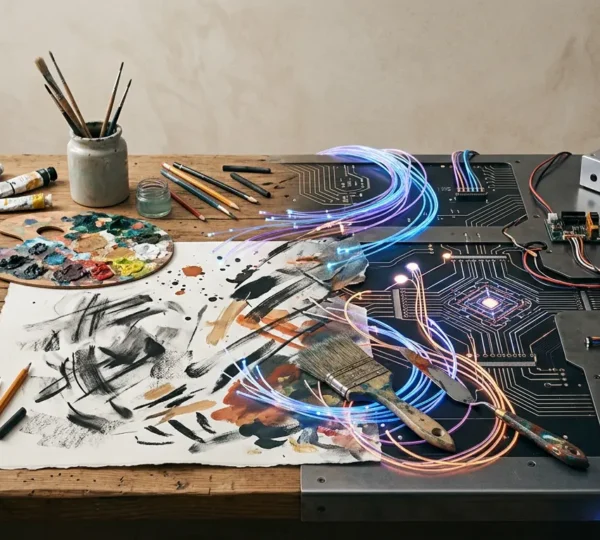
Why Do Some Artists Fear AI While Others Embrace It as a Collaborator?
The debate over AI in art isn’t about technology; it’s a crisis of authorship. Fearing AI stems from the belief that artistic value lies in manual skill and originality of form, which generative models seem to automate. Embracing AI involves…
Lire la suite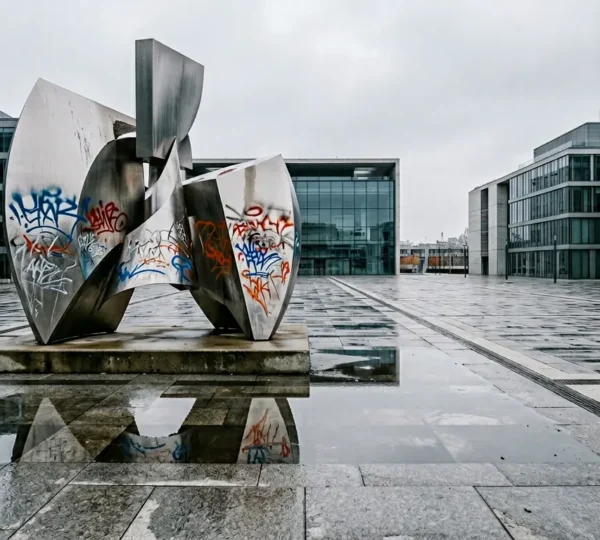
Why Do £500,000 Public Sculptures Get Vandalised Within Months of Unveiling?
Vandalism of public art is not random destruction; it is the final, brutal verdict on a commissioning process that has failed to create community ownership. The core risk is not the quality of the art, but the gulf between an…
Lire la suite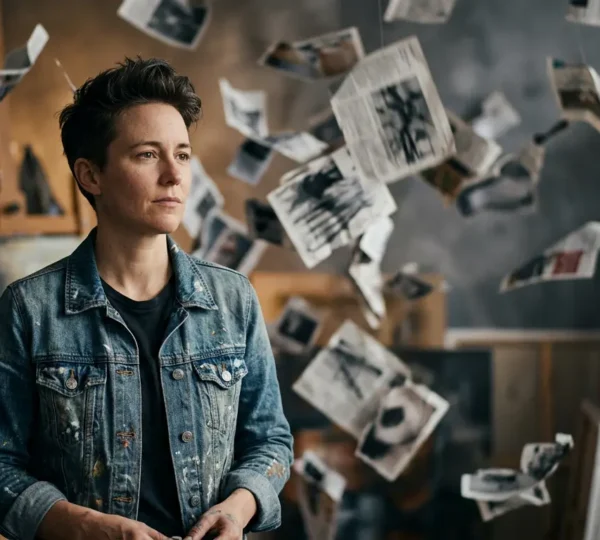
Why Did Your Intentionally Provocative Work Provoke the Wrong People?
The outcome of artistic controversy isn’t random; it’s determined by a set of predictable variables you can and must manage. The source of your funding (public vs. private) dictates the nature of the attack and the weapons used against you….
Lire la suite
Why Does Your Political Art Preach to the Converted Instead of Changing Minds?
The most effective political art doesn’t provide answers; it engineers questions that force a resistant audience to participate in creating the meaning. Instead of delivering a clear message, successful works create « strategic voids » that disarm ideological opponents by inviting their…
Lire la suite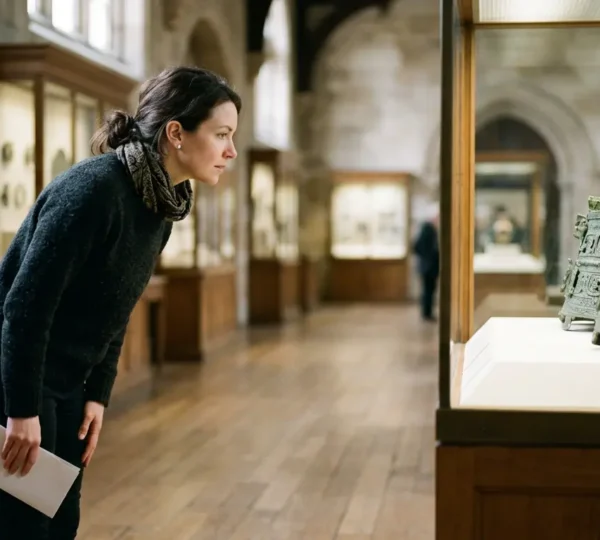
Why Are Visitors Leaving UK Museums Without Understanding the Objects They Saw?
Visitor disengagement isn’t caused by complex objects, but by interpretation that provides answers before visitors have a chance to ask questions. Traditional 150-word labels are frequently ignored because they overload cognition instead of sparking curiosity. True connection is forged through…
Lire la suite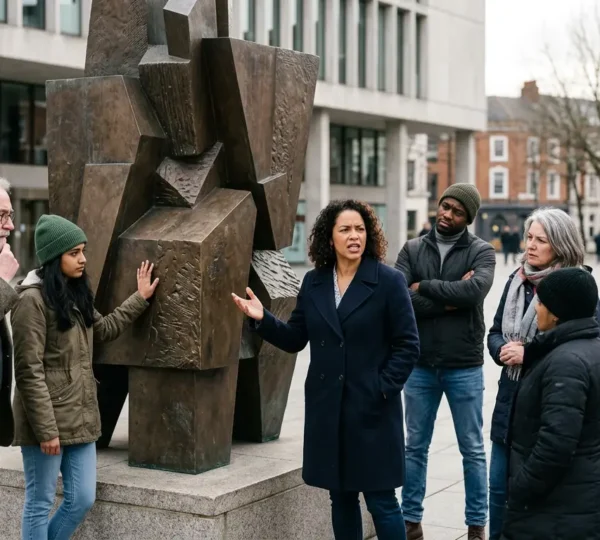
Why Does Public Art Generate Controversy When It Tries to Unite Communities?
The fierce controversies surrounding public art are rarely about aesthetics; they are symptoms of a flawed, top-down process that treats community engagement as a final checkbox rather than a foundational goal. Figurative vs. abstract is a false dichotomy; the commissioning…
Lire la suite
Why Do Collectors Regret 60% of Contemporary Art Purchases Within 5 Years?
Collector’s remorse is rarely a failure of personal taste; it’s a predictable outcome of misunderstanding the opaque financial systems that govern the contemporary art world. Market hype is a poor indicator of long-term value, with many trending artists seeing their…
Lire la suite
Why Does Your Carbon Footprint Claim Ring Hollow to Eco-Conscious Buyers?
Your sustainability claims aren’t landing because they lack verifiable proof, creating an ‘accountability gap’ that savvy buyers can spot instantly. Holistic audits, from energy use to waste disposal, are non-negotiable for turning good intentions into credible evidence. Focusing on one…
Lire la suite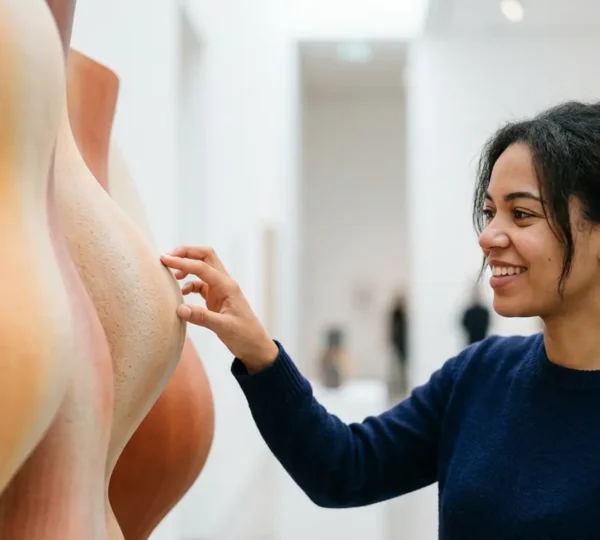
Why Do Interactive Artworks Generate 5x More Social Media Shares Than Static Pieces?
The viral success of interactive art isn’t magic; it’s a direct result of turning passive viewers into active participants, creating a measurable feedback loop that funders value. Physical interaction builds psychological ownership, making audiences more likely to share and donate….
Lire la suite
Why Do Auction Houses Now Value Post-Internet Art Higher Than Late Modernist Paintings?
Contrary to the belief that the high valuation of digital art is a speculative bubble, its rise represents a logical continuation of 20th-century conceptual art history. For the discerning collector, understanding that value now often resides in the underlying concept…
Lire la suite