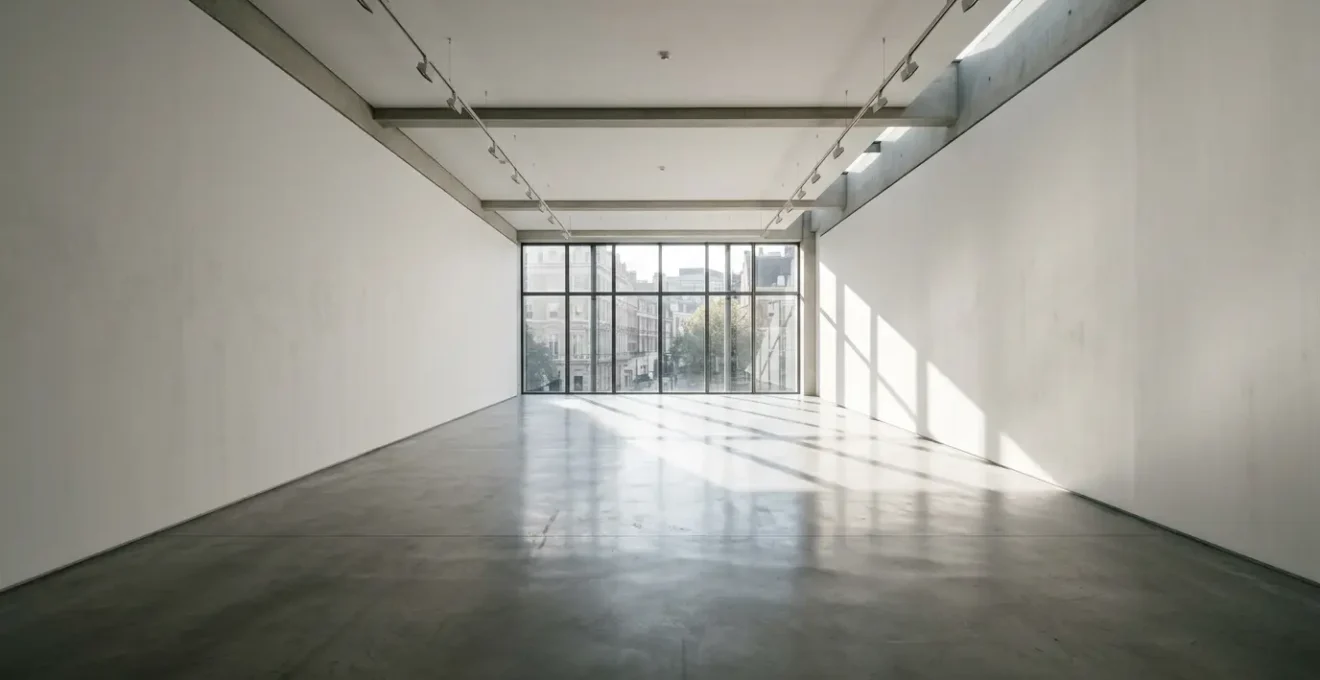
Strong art programming alone does not guarantee a gallery’s survival; it is the financial model that dictates success or catastrophic failure.
- Massive revenue often hides crippling unprofitability due to high fixed costs and inefficient structures, creating a dangerous « Revenue Illusion. »
- The traditional 50% commission model is breaking down as galleries struggle to justify their value against immense operational drag and artist self-sufficiency.
Recommendation: Shift from a high-cost, high-volume model to a lean, hybrid (physical/digital) approach focused on cash flow, genuine collector engagement, and flexible commission structures to ensure long-term sustainability.
You’ve done everything right. The opening was packed, the critic from the Sunday paper was impressed, and you have a wall of red dots to prove it. The programming is sharp, your artists are brilliant, and the gallery is buzzing. Yet, when you look at the bank balance at the end of the quarter, the numbers tell a terrifyingly different story. This is the grim reality for countless London gallerists: the disconnect between cultural success and commercial viability. A significant portion of new galleries, even those with impeccable taste and strong artist rosters, quietly shut their doors within three years, defeated not by a lack of good art, but by a flawed business model.
The common advice— »secure a prime Mayfair location, » « discover the next Hirst, » « network relentlessly »—misses the fundamental point. These are inputs into a system that is often structurally unsound. The real crisis in the gallery sector isn’t a shortage of talent or ambition; it’s a crisis of financial architecture. We are operating on an outdated chassis, burdened by immense fixed costs and a commission structure that no longer reflects the realities of the modern art market.
But what if the key to survival isn’t about selling more art, but about radically redesigning the engine that powers your business? This article is not another paean to the magic of art. It is a commercially unflinching survival guide. We will dismantle the financial fallacies, from the « Revenue Illusion » of high turnover to the « Operational Drag » of a crippling lease. We will explore why £200,000 in sales can still leave you broke, how to engage collectors without burning them out, and whether your physical space is an asset or an anchor. This is a blueprint for building a gallery that not only survives, but thrives.
To navigate the complexities of the modern art market, we will dissect the critical operational and financial questions that determine a gallery’s fate. The following sections provide a strategic roadmap, moving from diagnosing hidden unprofitability to rethinking your entire business model for sustainable success.
Contents: A Survival Blueprint for the Modern Gallerist
- Why Does Selling £200,000 of Art Still Leave Your Gallery Unprofitable?
- How to Keep Collectors Engaged Between Purchases Without Constant Sales Pressure?
- Bricks-and-Mortar vs Digital Gallery: Which Model Sustains Better During Market Downturns?
- The Mayfair Lease That Killed a Promising Gallery’s Cash Flow Within 18 Months
- When to Open a Major Show: Frieze Week or Deliberately Counter-Programming?
- Why Do UK Galleries Still Demand 50% Commission When Artists Handle Their Own Marketing?
- Why Does Firing a Kiln Cost £45 Per Load and How Does That Affect Pricing?
- How to Earn £40,000 Annually from Painting Without Relying on Gallery Representation?
Why Does Selling £200,000 of Art Still Leave Your Gallery Unprofitable?
This is the most painful question in the gallery business, and it stems from a dangerous misconception I call the « Revenue Illusion. » High turnover figures are seductive, but they are a vanity metric. A gallery that sells £200,000 of art at a 50% commission has a gross revenue of £100,000. From that, you must subtract rent, salaries, business rates, shipping, insurance, installation costs, art fair fees, marketing expenses, and general overhead. Suddenly, that £100,000 looks perilously small. You are not running a £200k business; you are running a £100k business with enormous, often fixed, costs.
The problem is systemic. Even major, established players are not immune. Consider the recent revelation that Stephen Friedman Gallery, a blue-chip name, posted a pre-tax loss of £1.7 million despite a turnover of £43 million. This demonstrates on a staggering scale how revenue can be completely decoupled from profitability. The « Operational Drag » of running a high-spec international operation can consume income at an astonishing rate. For a smaller gallery, the margins for error are non-existent.
True financial health isn’t measured by the price tags on the wall but by the net profit after every single cost is accounted for. Many new gallerists fall in love with their programme and artists—as they should—but they fail to apply ruthless financial scrutiny to their own operations. They underestimate the cash burn rate and overestimate the speed and reliability of sales. Surviving requires you to stop chasing revenue and start obsessing over net margin and cash flow. Every decision, from the type of lighting you install to the art fairs you attend, must be weighed against its direct impact on profitability, not just its potential to generate a headline-grabbing sale.
How to Keep Collectors Engaged Between Purchases Without Constant Sales Pressure?
The traditional gallery model often operates in a feast-or-famine cycle: intense activity during an exhibition, followed by a quiet lull. The temptation during these quiet periods is to bombard your collector base with sales-driven emails, creating what I call « Collector Burnout. » This approach is not only ineffective but also damaging to long-term relationships. Collectors are not ATMs; they are patrons who crave intellectual and emotional connection to the art and artists they support. The key to sustainable engagement is to shift from a transactional mindset to a content-driven one.
Your goal between exhibitions is not to sell, but to educate, enrich, and entertain. You must continue to provide value even when there is no « ask. » This builds trust and keeps your gallery top-of-mind, so when they are ready to acquire, you are their first and only call. Digital platforms have made this easier than ever. It’s about creating a rich ecosystem of content that allows collectors to deepen their understanding and passion on their own terms, without the social pressure of a gallery visit.
This strategy involves creating a consistent stream of high-quality, non-promotional content. Think of it as stoking the embers between the fires of your major shows. By providing genuine insight and access, you transform your gallery from a simple point of sale into an indispensable cultural resource. This builds the kind of loyalty that a one-off discount or a pushy sales call never will.
Action Plan: Digital Engagement Strategies for Sustained Collector Interest
- Build a Digital Twin: For every physical exhibition, create a comprehensive Online Viewing Room (OVR) with high-resolution imagery, detailed artwork information, and contextual texts. This makes your programme accessible to a global audience, 24/7.
- Go Beyond the Artwork: Produce enriched digital content such as professionally filmed artist interviews, virtual studio visits, and essays from curators. This content deepens the collector’s connection to the artist’s practice.
- Maintain a Personal Dialogue: Use a mix of channels—from personalized emails to informal video chats—to maintain a responsive, one-on-one conversation. Share an interesting article or an update from the studio, with no sales pitch attached.
- Develop an Evergreen Archive: Ensure your website is an expansive and current resource. Allow collectors to explore past exhibitions and learn about your artists’ development at their own pace.
- Foster Genuine Conversation: Leverage online channels to strip away the social pressures of in-person interactions. Focus on simple, authentic conversations about the art itself, building relationships that transcend individual transactions.
Bricks-and-Mortar vs Digital Gallery: Which Model Sustains Better During Market Downturns?
The debate is no longer about choosing between a physical space and a digital presence; the only sustainable model is a smart, integrated hybrid. A purely bricks-and-mortar gallery is a sitting duck in a market downturn, crushed by the weight of its own fixed costs. Conversely, a purely digital gallery can struggle to build the trust, aura, and physical experience that drives high-value sales. The question is not « either/or, » but « what is the right balance? »
The most resilient galleries today are those that treat their physical space not as a primary sales floor, but as a high-touch showroom and a stage for experiences. This space might be smaller, more flexible, and located outside the ruinously expensive prime postcodes. Its purpose is to host key events, facilitate crucial in-person viewings for closing major sales, and create the physical « aura » around the art. The heavy lifting of marketing, initial discovery, and mid-market sales is handled by a robust digital operation. This model significantly reduces the « Operational Drag » while expanding market reach.
This shift is particularly evident in the behaviour of newer businesses. Data shows that 60-85% of sales for younger galleries consistently come from online channels. They have built their business model around a digital-first core, using physical pop-ups or smaller showrooms strategically. For an established gallery, this means re-evaluating the role of your expensive real estate. Is your walk-in traffic genuinely driving enough sales to justify the rent, or could that capital be more effectively deployed in a world-class digital platform and targeted client entertainment?

The hybrid model offers the best of both worlds: the global reach and cost-efficiency of digital, combined with the irreplaceable impact of a physical encounter with art. During a market downturn, you can scale back on physical exhibitions and reduce overhead without disappearing from your collectors’ view. Your OVRs, content strategy, and digital outreach become your primary engine, allowing you to weather the storm and emerge stronger when confidence returns.
The Mayfair Lease That Killed a Promising Gallery’s Cash Flow Within 18 Months
Let’s tell a story you’ve seen a dozen times. A promising gallerist, flush with initial success and investor backing, decides to « go to the next level. » They sign a five-year lease on a pristine white cube in Mayfair or St. James’s. They believe the prestigious postcode will attract a better class of collector and signal their arrival. For the first six months, it feels like a triumph. But underneath the surface, a time bomb is ticking. This is the story of death by « Operational Drag. »
The numbers are brutal and unforgiving. In London’s prime art districts, rental costs are not just high; they are an existential threat. Even a modest space can be crippling, with costs for premium galleries in high-traffic zones often exceeding £10,000 per week before you even factor in business rates, utilities, and staffing. That’s over half a million pounds a year, just to keep the doors open. This is a fixed cost that shows up every month, regardless of whether you’ve sold a single piece of art. It’s a relentless drain on cash flow that leaves no room for error, experimentation, or a single slow quarter.
Within 18 months, our promising gallerist is in a death spiral. Every sale is immediately swallowed by the rent. They can’t afford to take risks on challenging but important artists because they need guaranteed, quick-selling work to feed the beast. They cut their marketing budget, then their registrar’s hours. The gallery, once a place of passion, becomes a source of crushing anxiety. The Mayfair lease, intended as a launchpad, has become a tombstone. This isn’t a failure of artistic vision; it’s a catastrophic failure of financial planning. The allure of a prestigious postcode is a siren song that has lured many promising galleries onto the rocks of bankruptcy.
When to Open a Major Show: Frieze Week or Deliberately Counter-Programming?
The art world calendar is dominated by major tentpole events like Frieze Week. The conventional wisdom is that you must participate, launching your most important show to coincide with the influx of international collectors. The logic is simple: fish where the fish are. However, this is a dangerously simplistic view that ignores the concept of the « Programming Calendar vs. the Cash Flow Calendar. » Participating in Frieze Week is an arms race. You are not just competing for collectors’ attention; you are competing against every other gallery in the city, all shouting at the top of their lungs.
The costs are immense: inflated advertising rates, exorbitant event expenses, and the mental fatigue of your collector base, who are being pulled in a hundred different directions. Is securing a 15-minute walkthrough with a harried collector, who has already seen 500 other artworks that day, really the best use of your resources? For a select few mega-galleries, perhaps. For the rest of us, it’s often a high-risk, low-return gamble.
Consider the alternative: strategic counter-programming. Opening your major show in a « quiet » month like November or February can be a powerful move. You have the city’s collectors, critics, and art advisors to yourself. You can command their undivided attention. Instead of a crowded, chaotic opening, you can host a series of intimate dinners and private viewings, allowing for deep, meaningful engagement with the work. You trade the frantic energy of the art fair for an atmosphere of exclusivity and serious consideration.

This approach isn’t about hiding; it’s about choosing your own battlefield. It allows you to control the narrative and the environment, creating a far more conducive setting for selling significant work. It’s a confident declaration that your programme is strong enough to draw an audience on its own terms, without needing the crutch of a major art fair. It prioritizes the quality of engagement over the quantity of footfall, a strategy that invariably leads to more sustainable success.
Why Do UK Galleries Still Demand 50% Commission When Artists Handle Their Own Marketing?
The 50/50 commission split is the bedrock of the traditional gallery model, but it’s a structure under immense strain. When an artist with a significant Instagram following and a direct-to-collector mailing list asks why a gallery deserves half the revenue, it’s a question that needs a very good answer. The justification for a 50% commission cannot simply be « because that’s the way it’s done. » In today’s market, the gallery must actively and transparently prove its value to justify that share.
A 50% commission is only defensible if the gallery is shouldering a commensurate portion of the risk and workload. This includes financing the entire exhibition, covering all marketing and PR costs, investing in prohibitively expensive art fair participation (which can cost £50,000+ per fair), managing complex international shipping and logistics, and actively cultivating a collector base that the artist cannot access on their own. The gallery’s role is to be a strategic partner and a capital investor in the artist’s career, not just a landlord with a client list. If the gallery is not providing these functions at an elite level, the 50% commission becomes indefensible.
The reality is that « 50% » is just one option among many, and smart galleries are becoming more flexible. The one-size-fits-all model is being replaced by bespoke agreements that reflect the specific needs and contributions of both artist and gallery. This flexibility is not a sign of weakness; it’s a sign of intelligent adaptation. As the table below illustrates, different models allocate risk, responsibility, and reward in different ways, allowing for a more sustainable and equitable partnership.
This detailed comparison of commission structures, based on a thorough analysis of UK gallery practices, shows the evolving landscape.
| Commission Model | Gallery Percentage | Artist Percentage | Additional Features | Best For |
|---|---|---|---|---|
| Traditional 50/50 Split | 50% | 50% | Gallery covers marketing, exhibition costs, art fair participation (£50k+ per fair) | Emerging to mid-career artists seeking full representation |
| 360 Model | 60% | 40% | Gallery also manages artist editions, licensing, and merchandising rights | Artists with strong commercial potential across multiple revenue streams |
| Retainer Model | 30% | 70% (minus monthly fee) | Small monthly retainer fee (typically £200-500) plus lower commission | Established artists with consistent output and existing collector base |
| Project-Based | 40% | 60% | Representation limited to specific show or art fair only | Artists testing gallery relationship or with selective representation needs |
| Tiered Structure | 50% (initial) / 40% (target met) | 50% / 60% | Commission decreases as specific sales targets are achieved | Artists with strong independent brand and negotiating leverage |
Why Does Firing a Kiln Cost £45 Per Load and How Does That Affect Pricing?
This question, seemingly niche, gets to the very heart of a gallery’s function: translating the hidden, often invisible, labor and material costs of creation into perceived value for a collector. Why does a specific ceramic vessel cost £5,000? A gallerist who can’t answer that question beyond « because that’s what the artist’s work sells for » is failing in their primary duty. The answer lies in deconstructing the process. The £45 kiln firing isn’t just a utility bill; it’s a tangible manifestation of a highly skilled, energy-intensive, and risk-laden process.
That £45 represents the electricity for a 12-hour firing, the depreciation of a £10,000 kiln, and the risk of failure—cracks, glaze defects, or a complete loss of the work. A complex piece may require three, four, or even five separate firings to achieve its final surface. Add to that the cost of exotic glaze materials, the years of research and development the artist invested to perfect their technique, and the sheer time spent on the physical creation. Suddenly, the final price tag begins to look not just reasonable, but necessary.
Your job as a gallerist is to be the storyteller of this process. You must educate your clients. You need to be able to explain the material science, the technical mastery, and the economic reality embedded in the object. When a collector touches the intricate, glassy surface of a perfectly fired ceramic, they should not just see a beautiful object, but feel the weight of the heat, energy, and expertise that forged it. This is how you build value that transcends decoration.

This principle applies to all media. Whether it’s the cost of high-grade pigments for a painter, foundry fees for a sculptor, or editing suite time for a video artist, these are the foundational costs of quality. A successful gallery doesn’t just sell art; it provides the crucial context that justifies its price, turning a simple transaction into an act of informed patronage.
Key Takeaways
- Stop chasing revenue and start obsessing over net profit and cash flow; high turnover is a vanity metric that can mask fatal unprofitability.
- Abandon the high-cost, prime-location model for a lean, hybrid approach where a physical showroom is supported by a robust digital engine.
- The 50/50 commission is not a given; it must be earned. Be flexible and transparent, offering bespoke models that reflect the value you bring to an increasingly self-sufficient artist.
How to Earn £40,000 Annually from Painting Without Relying on Gallery Representation?
This is the question that should keep every gallerist awake at night. It’s the title of a thousand artist-focused business seminars and the promise of a dozen new online platforms. For the first time in history, artists have a viable path to a sustainable career that can completely bypass the traditional gallery system. They can build their own audience on social media, communicate directly with collectors via mailing lists, and handle their own sales through personal websites, retaining 100% of the revenue.
Earning £40,000 a year—a respectable professional income—is a tangible goal for a commercially savvy artist. Selling ten paintings at £4,000 each directly to collectors achieves this. To net the same amount through a gallery with a 50% commission, they would need to generate £80,000 in sales. The math is simple and brutal. As one analysis bluntly states, the old model presents a significant hurdle:
Art commissions, dealers, and galleries can take up to 50% commission from a sold piece.
– StartUp Mindset analysis, 7 Business Models For Artists
This is not a criticism of artists; it is the ultimate challenge to the gallery model. If an artist can achieve their financial goals without you, what is your value proposition? Why should they give you 50% of their income? This question must be the driving force behind every strategic decision you make. It forces you to define your role not as a gatekeeper, but as a career accelerator. You must provide value that the artist cannot replicate on their own: access to a higher tier of collectors, placement in museum collections, critical validation from respected curators, and management of the logistical burdens that distract them from their studio practice.
The galleries that fail are the ones that ignore this question. The ones that survive and thrive will be those who can look an artist in the eye and give a clear, compelling, and honest answer. They will function as true partners, amplifying the artist’s career in ways that demonstrably justify their commission. The future of the gallery system depends on it.
Your gallery is a business first and a cultural space second. To protect the latter, you must be ruthlessly efficient with the former. Begin today by forensically examining your profit and loss statements, questioning every fixed cost, and re-evaluating your value proposition to both artists and collectors.